Table of Contents
Enjoying the article?
Don't forget to share with your friends and network to help grow the amazing Gigable community.

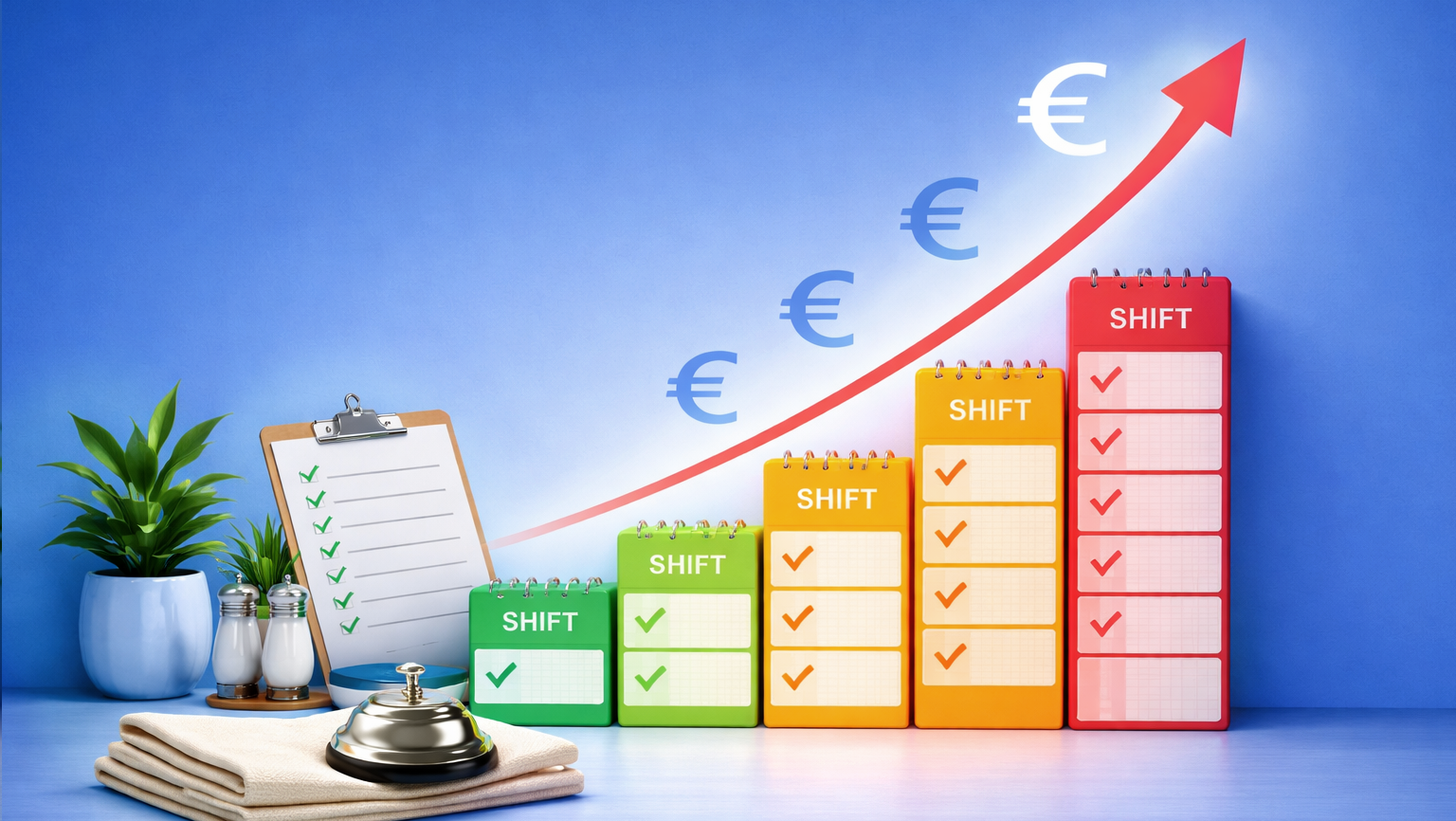
Hospitality operators in Ireland are entering 2026 under sustained cost pressure.
Several regulatory and structural changes are reshaping labour economics:
As of 1 January 2026, Ireland’s National Minimum Wage has increased (aligned with the Living Wage transition roadmap). For hospitality businesses where many roles sit near minimum wage, even small hourly adjustments have material impact across large teams.
(Source: Department of Enterprise, Trade and Employment – Minimum Wage Updates)
Ireland’s long-awaited Auto-Enrolment Retirement Savings Scheme is scheduled to roll out in 2026. While this primarily applies to employees (not genuine contractors), it increases long-term payroll obligations for traditional employment models.
(Source: Department of Social Protection – Auto Enrolment Pension Scheme)
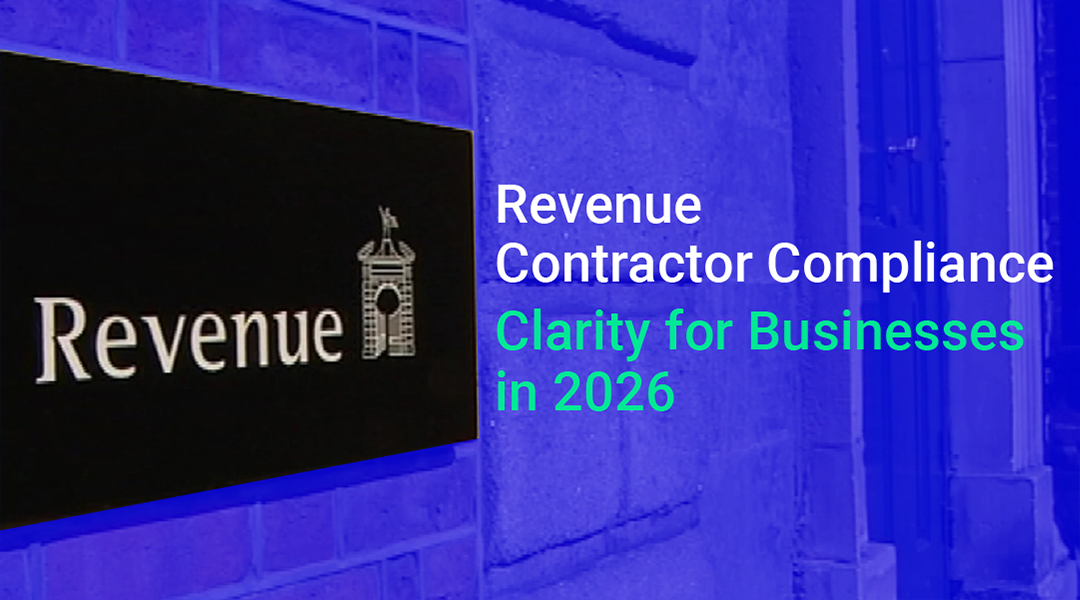
Following the Karshan / Domino’s decision, Revenue has increased scrutiny around worker classification and reinforced the message:
| What matters is not what the contract says but what actually happens in practice
For hospitality operators using flexible labour, documentation and operational clarity now matter more than ever.
(Source: Revenue eBrief & Government Guidance following the Karshan ruling)
Industry submissions continue to flag:
For operators, this isn’t theoretical. It’s daily reality.
(Source: Irish Hotels Federation (IHF) budget 2026 submission)
When labour costs increase, most operators instinctively ask:
But in practice, the bigger issue is usually:
Wasted or uncontrolled labour spend. ("one of the key reasons operators are searching for how to reduce staffing costs in hospitality").
Examples include:
In 2026, labour cost control is less about wage rates and more about operational precision, efficient staff scheduling, and workforce visibility.
Revenue’s current approach reinforces one core principle:
Employment status is assessed using a five-point framework and decision tree, based on the real working relationship.
The key considerations include:
If day-to-day operations resemble employment, risk increases regardless of contract labels.
This is why evidence matters.
Not opinion.
Not paperwork alone.
But clear, consistent records showing how work is actually performed.
And this is where cost and compliance now intersect:
Poor records don’t just create compliance risk.
They create administrative costs, stress, and disruption.
The strongest operators in 2026 are not reacting to wage increases.
They are:
This is not about cutting corners.
It’s about building labour control into the operating model.
Here are the highest-impact adjustments operators are making:
Knowing exactly:
Without reconstructing from messages or spreadsheets, by using modern shift management software.
Aligning shift start/end times more precisely with demand peaks using better staff scheduling practices.
Avoiding blanket overstaffing.
Using genuine contractors appropriately without misclassification risk to match demand variability.
Managing in-house staff and freelancers in one operational system using a centralised shift management tool instead of running parallel processes.
Ensuring shift logs, attendance, and payroll trails are created automatically so compliance isn’t a separate project.
Gigable CMS supports hospitality businesses operationally — not by giving legal advice, but by embedding compliance and cost control into daily workforce management.
Gigable helps businesses:
The result?
In a year defined by rising labour costs and tighter scrutiny, workforce control is no longer optional. It’s strategic.
It’s about higher expectations.
Higher documentation standards.
Higher scrutiny.
Higher financial sensitivity per shift.
Hospitality leaders who build compliance and cost control into operations from day one will carry those gains long beyond 2026.
If you’re reviewing how labour is managed this year, it may be time to move from reactive fixes to structured control and explore how Gigable CMS (Contractor Management Software) supports hospitality teams today.
Take the next step and join Gigable today. Let's put those insights into action and boost your business or freelance career!