Table of Contents
Enjoying the article?
Don't forget to share with your friends and network to help grow the amazing Gigable community.

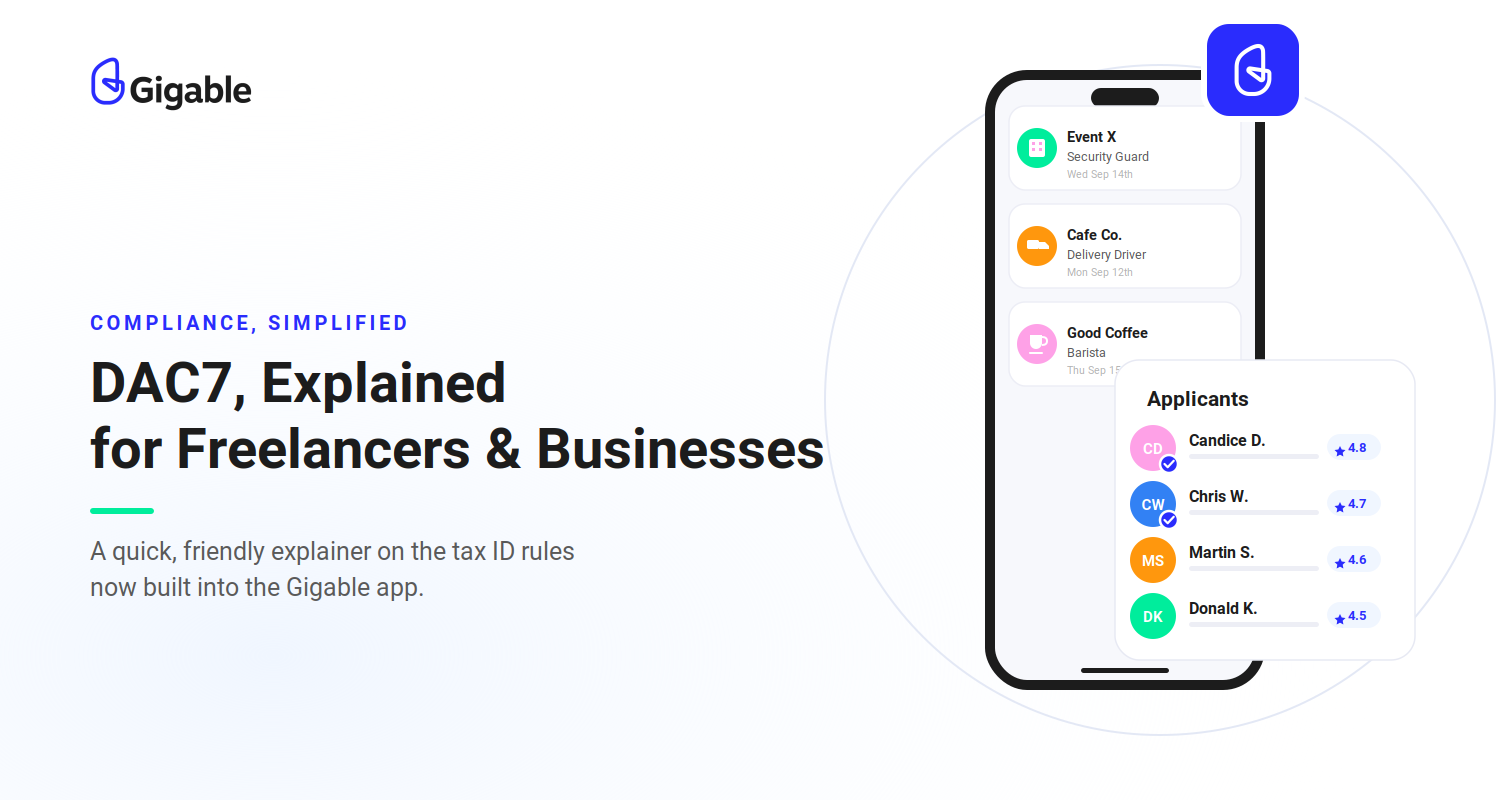
If you've noticed the Gigable app asking freelancers to add a PPS Number or National Insurance Number recently, there's a straightforward reason for it. It's part of a tax transparency framework called DAC7, in force since 2023.
While only freelancers need to add these details, the rules behind it are worth understanding whichever side of Gigable you're on. Here's what it actually means, in plain terms.
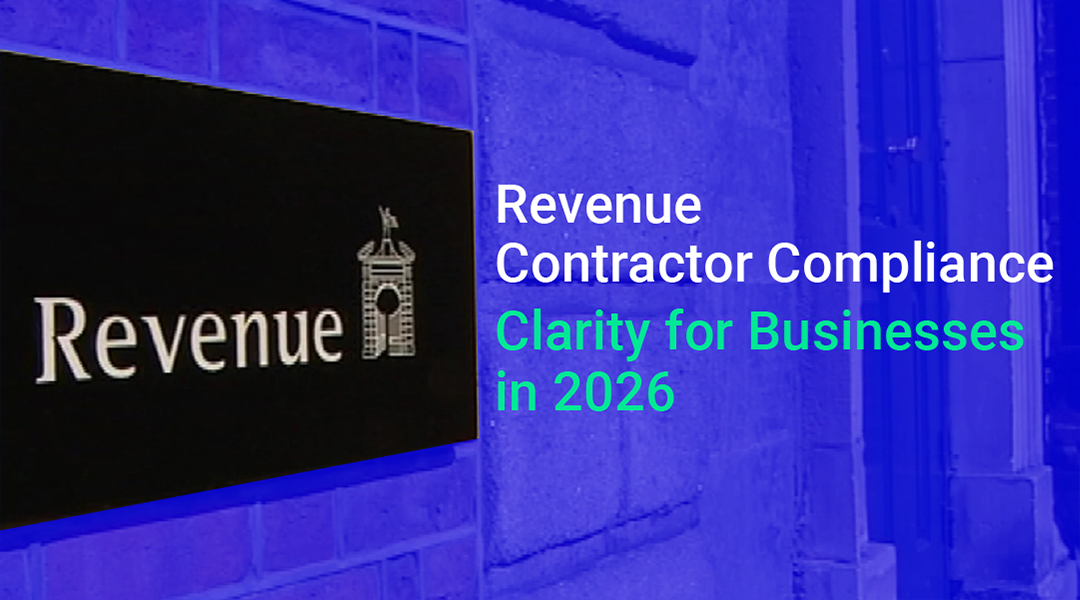
DAC7 is an EU directive - Council Directive (EU) 2021/514 - that has applied since 2023. Under it, anyone earning through a digital platform for personal services is required to provide accurate tax identification details, and platforms like Gigable are legally required to verify and report that information to tax authorities each year (Revenue.ie).
The UK runs an equivalent framework - the OECD's Model Reporting Rules for Digital Platforms, in force since January 2024 with HMRC requiring the same information for the same reason (Low Incomes Tax Reform Group).
In practice, this means Independent Freelance Contractors must provide their PPS Number (Ireland) or National Insurance Number (UK) when working on Gigable, and we take care of the reporting: checking your details against your account country, submitting them securely to Revenue or HMRC each year, and giving you a copy of exactly what's been reported, by 31 January (Revenue.ie).
So while providing accurate tax details is something every freelancer needs to do under the regulation, there's no separate filing or extra admin for Business to manage beyond that - Gigable handles that part of the process for you, built directly into the app.
This isn't about paying more tax - it's part of a broader push across the EU and UK to make income earned through platforms like Gigable as visible to tax authorities as a regular payslip already is, so things are fair for everyone
You can add your PPS Number or National Insurance Number under Tax Details in the app. It only takes a minute, and it's now built directly into the app so there's nothing extra to file elsewhere.
If tax enforcement is active on your account and your details aren't added yet, you won't be able to apply for gigs until they are. It's worth adding yours now rather than waiting - once it's saved, your status updates immediately and you're all set.
You don't need to add anything yourself, this requirement applies to individual freelancers, not to your business directly. What's changed with the latest update is that Gigable now checks for this at the point of application, so freelancers without valid tax details on file won't be able to apply for your gigs until they've added them. Worth flagging to your regular freelancers if they haven't updated yet, so you're not caught short on cover.
Separately, it's worth knowing that if your business already has its own reporting duties around payments to non-employees - in Ireland, this is the Form 46G third-party return, which Revenue.ie describes as a requirement for "traders (including farmers), professionals and other people carrying on a business" to report "payments made by them to third parties for services provided"(Revenue.ie). This means that for the contractors you manage through Gigable, their PPS numbers are already verified and on file, so the detail you'd need for your own Form 46G return is already there when you come to prepare it, rather than something you'd have to chase down separately.
The specifics of your own Form 46G obligations (thresholds, exemptions, exactly what to include) are worth checking with your accountant or Revenue directly, since they depend on your business's situation.
This is really an extension of something we've built Gigable around from day one: records that are accurate and audit-ready without extra admin for anyone.
Tax details are collected and verified in-app, Terms of Service acceptance is tracked automatically, and every shift, attendance record, and payment already builds a clear digital trail - for freelancers and businesses alike.
____________________________________________________________________________
This article is for general information and reflects our understanding of DAC7, UK digital platform reporting rules, and Ireland's Form 46G as of September 2026, based on published Revenue.ie and HMRC-adjacent guidance. It isn't tax or legal advice. For anything specific to your situation, please check directly with Revenue, HMRC, or your accountant.
Sources:
Take the next step and join Gigable today. Let's put those insights into action and boost your business or freelance career!